The Reason The Biggest “Myths” About Wooden Shipping Pallets Could Actually Be True
The Essential Guide to Wooden Shipping Pallets
In the hectic world of logistics and transport, shipping pallets are a vital component in guaranteeing items reach their destinations safely and undamaged. Amongst the different kinds of shipping pallets, wooden shipping pallets have been a staple in the shipping market for decades. This post will check out the benefits, types, and maintenance of wooden shipping pallets while dealing with often asked questions.
What Are Wooden Shipping Pallets?
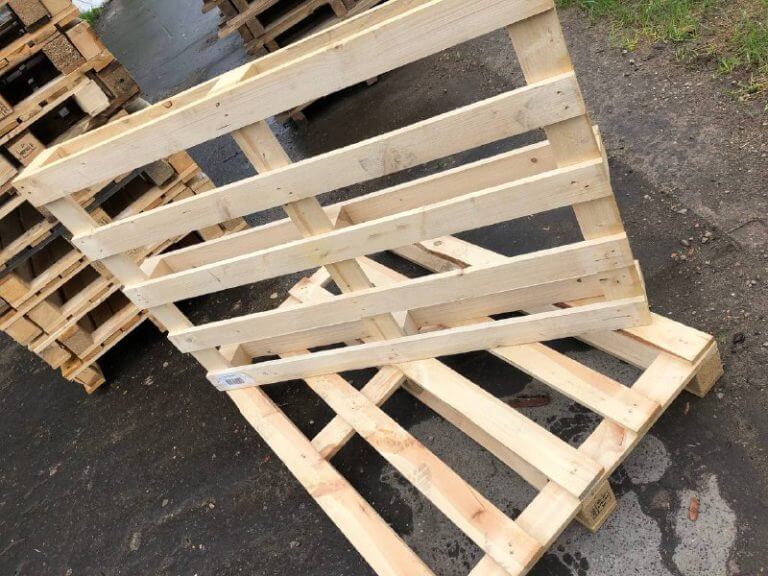
Wooden shipping pallets are flat structures made from wooden products that are used to support products throughout transportation and storage. They supply a stable base for stacking items, making it easier to move items through forklifts and pallet jacks.
Benefits of Wooden Shipping Pallets
Wooden shipping pallets use various advantages, making them a favored option in different markets. Below are some crucial advantages:
Benefit
Explanation
Cost-efficient
Wooden pallets are usually less expensive than their plastic or metal equivalents.
Long lasting
With proper treatment, wooden pallets can endure heavy loads and severe conditions.
Sustainable
Wood is a sustainable resource, and many wooden pallets are made from recycled products.
Versatile
Wooden pallets can be customized for various uses, making them appropriate for different markets.
Repairable
Harmed wooden pallets can frequently be repaired or reconditioned, extending their life expectancy.
Types of Wooden Shipping Pallets
Wooden shipping pallets been available in various designs, sizes, and designs. The most typical types include:
- Block Pallets: These have blocks or legs at each corner, providing stability and permitting simpler handling.
- Stringer Pallets: Made with a series of stringers (long pieces of wood), these pallets have a lighter weight and are common in standard shipping practices.
- Double-Face Pallets: These can be used on both sides, enabling for more effective stacking and storage.
- Custom-made Pallets: Tailored to meet specific requirements of various items or shipping procedures.
Selecting the Right Wooden Shipping Pallet
Picking the appropriate wooden shipping pallet is vital for guaranteeing the safe transportation of goods. When selecting a pallet, think about the following aspects:
- Load Capacity: Determine the weight of the items to make sure the pallet can support it.
- Size: Pallets can be found in different sizes; the most typical is the 48” x 40” size, but custom sizes are likewise offered.
- Treatment Standards: Make sure the pallets meet the appropriate treatment standards (like ISPM 15 for global shipping) to prevent pest problem.
Factor
Essential Considerations
Load Capacity
Understand the weight and dimensions of your cargo.
Size
Choose the basic size or choose a custom style.
Treatment
Check compliance with regulations and pest prevention approaches.
Upkeep and Care of Wooden Shipping Pallets
Correct maintenance can substantially extend the life of wooden shipping pallets. Below are some ideas for preserving and taking care of wooden pallets:
- Regular Inspections: Examine pallets for signs of damage, such as splinters, damaged boards, or damaged locations.
- Correct Storage: Store pallets in a dry, clean environment to prevent rot and mold.
- Repairing Damage: Replace any damaged or damaged boards without delay to maintain pallet stability.
- Cleanliness: Keep pallets clean to avoid contamination, particularly in markets like food and pharmaceuticals.
Regularly Asked Questions (FAQ)
1. What is ISPM 15, and why is it essential?
ISPM 15 represent International Standards for Phytosanitary Measures No. 15, which sets standards for dealing with wooden product packaging products to prevent the spread of pests and diseases related to global trade. Compliance with ISPM 15 is crucial to prevent penalties and guarantee safe shipping practices.
2. Can wooden pallets be reused?
Yes, wooden pallets can be recycled several times as long as they are maintained well and not damaged. This sustainability aspect is one of the many factors business prefer them.
3. How can I inform if a wooden pallet is safe for my item?
Examine the pallet for any indications of damage, examine the load capacity, and guarantee it meets the required treatment standards for your industry. If unsure, speak with your supplier for guidance.
4. Are there agronytradingllc.com to wooden pallets?
Yes, options to wooden pallets consist of plastic pallets, metal pallets, and cardboard pallets. Each has its own set of benefits and disadvantages, depending on particular requirements and uses.
5. What are the ecological impacts of utilizing wooden pallets?
Wooden pallets can be eco-friendly, particularly when sourced from sustainable wood forests or recycled wood. Nevertheless, it's important to think about the entire lifecycle, including disposal, which can be managed through recycling programs.
Wooden shipping pallets continue to play a vital role in logistics and shipping industries. Their durability, cost-effectiveness, and versatility make them a favored option for many organizations. By comprehending the different kinds of wooden pallets, their upkeep, and the elements to consider during choice, companies can optimize their shipping operations efficiently. As sustainability stays a priority, wooden pallets can be an accountable option when sourced and used correctly.